
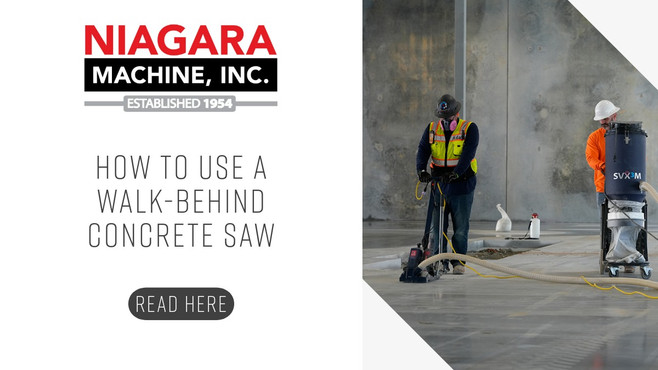
How to Use a Walk-Behind Concrete Saw
27th Oct 2025
Whether you’re cutting expansion joints, removing damaged concrete, or creating clean, straight lines for repair work, knowing how to use a walk-behind concrete saw is a must for professional contractors. These powerful machines are designed for precision, speed, and depth—making them essential on construction sites and in concrete restoration projects. But to get the best results, it’s important to understand the equipment, follow proper operating techniques, and always prioritize walk-behind concrete saw safety.
What Is a Walk-Behind Concrete Saw?
A walk-behind concrete saw—also called a floor saw or slab saw—is a heavy-duty cutting machine used for larger surface cuts in concrete or asphalt. Unlike handheld saws, walk-behind models offer superior control, cutting depth, and stability, allowing for smoother, straighter lines.
At its core, the saw uses a diamond blade, which spins at high speed to grind through tough materials. The operator “walks” behind the saw, guiding it along the cutting path. You can explore our options here: Walk-Behind Concrete Saws.
Advantages of a Walk-Behind Concrete Saw
There are several advantages of a walk-behind concrete saw that make it the preferred choice for contractors and surface prep professionals:
- Precision Cutting – The weight and design of the machine help it stay steady during operation, reducing blade wobble and ensuring straighter, cleaner cuts.
- Depth and Power – Walk-behind saws can achieve greater cutting depths than handheld tools, making them ideal for cutting through thick slabs, roads, and driveways.
- Efficiency – Their powerful engines and wide cutting capacity save time on large-scale projects.
- Reduced Operator Fatigue – Because the machine supports its own weight, users experience less strain compared to handheld tools.
For contractors focused on productivity and precision, these advantages of a walk-behind concrete saw make it an investment that quickly pays off.
Step-by-Step Guide: How to Use a Walk-Behind Concrete Saw
Learning how to use a walk-behind concrete saw properly ensures both quality results and operator safety. Here’s a simple step-by-step guide to follow:
1. Choose the Right Blade
Select the proper diamond blade for your specific material—concrete, asphalt, or reinforced surfaces. For premium performance and longevity, check out Diamond Blades. Using the wrong blade type can lead to chipping, uneven cuts, or premature wear.
2. Inspect the Equipment
Before every use, perform a thorough inspection:
-
Check fuel, oil, and coolant levels.
-
Make sure all guards are in place.
-
Confirm that the blade is securely tightened and free of cracks.
This pre-check routine is a vital part of walk-behind concrete saw safety.
3. Mark Your Cut Lines
Use chalk or a marker to draw your cutting lines clearly on the surface. Accurate marking ensures a straight, controlled cut—especially for expansion joints or repairs.
4. Set the Cutting Depth
Adjust the blade to the desired depth before starting. For deeper cuts, it’s best to make several shallow passes instead of forcing a single deep cut. This technique protects the blade and motor while producing cleaner results.
5. Wet vs. Dry Cutting
Many walk-behind saws are designed for wet cutting, which uses water to cool the blade and minimize dust. Always confirm your saw’s capability before operation. Wet cutting also helps extend the lifespan of your diamond blade.
6. Start the Saw Safely
Always start the saw away from the cutting surface. Let the blade reach full speed before slowly lowering it into the material. Maintain steady forward motion and avoid twisting or forcing the blade.
7. Maintain Control During the Cut
Keep a firm grip on the handles and walk steadily behind the machine. Don’t rush—let the saw’s weight and power do the work. Avoid jerky movements or sudden stops, which can cause blade damage or uneven cuts.
8. Finish and Inspect
Once your cut is complete, lift the blade clear of the surface before shutting off the saw. Allow the blade to spin down naturally. Afterward, inspect the cut line for straightness and depth accuracy.
Following these steps will not only improve your results but also enhance overall walk-behind concrete saw safety.
Walk-Behind Concrete Saw Safety Tips
Safety is the cornerstone of proper saw operation. Even seasoned contractors should revisit the fundamentals regularly. Key walk-behind concrete saw safety practices include:
-
Wear Personal Protective Equipment (PPE): Always use eye protection, hearing protection, gloves, and a respirator if dry cutting.
-
Stay Alert to Kickback: Never twist or bind the blade in the cut—it can cause sudden kickback or blade breakage.
-
Maintain Clear Surroundings: Keep bystanders and obstacles away from the cutting area.
-
Use Proper Ventilation: If operating a gas-powered saw indoors or in enclosed spaces, ensure proper exhaust ventilation to prevent carbon monoxide buildup.
-
Inspect After Each Use: Regular maintenance—checking belts, filters, and blade guards—keeps your equipment performing safely and efficiently.
These best practices are essential for preventing accidents and ensuring your saw’s long-term reliability.
Conclusion
Mastering how to use a walk-behind concrete saw takes practice, but the right technique and equipment make all the difference. When paired with quality concrete saw blades and consistent maintenance, a walk-behind saw can deliver professional-grade performance for years to come.
Understanding the advantages of a walk-behind concrete saw—from depth and precision to operator comfort—helps you tackle concrete cutting projects with confidence. And above all, following key walk-behind concrete saw safety guidelines ensures every job is completed safely and efficiently.
For high-performance equipment and blades that get the job done right, explore Walk-Behind Concrete Saws and Diamond Blades at Niagara Machine.